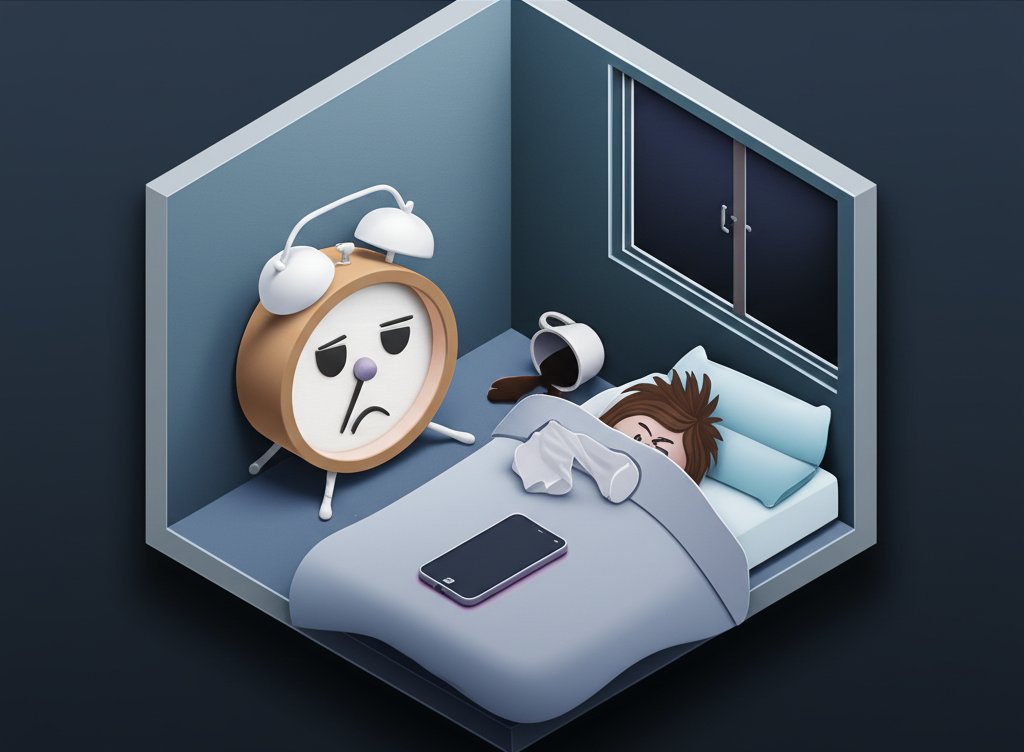
That cheerful, singsong “Good morning!” can feel like a personal attack before you’ve had your first sip of coffee. For those of us who believe the morning is anything but good, a well-deployed bit of good morning sarcasm isn’t just a reply; it’s a defense mechanism, a quiet rebellion, and a lifeline to our fellow non-morning people. It’s the art of saying, “I acknowledge your greeting, but my reality is currently 93% caffeine-deficient and 100% not ‘good’ yet.”
At a Glance: Your Sarcasm Toolkit
- Find Your Style: Discover the three primary archetypes of morning sarcasm—The Questioner, The Realist, and The Thespian—to match your personality.
- Master the Delivery: Learn how tone and body language separate witty humor from unintentional rudeness, ensuring your joke always lands.
- Get Ready-to-Use Lines: Access a playbook of categorized replies perfect for work, friends, or anyone who dares to be chipper before 9 a.m.
- The Sarcasm Safety Check: Use a simple framework to gauge if your sarcastic remark is appropriate for your audience, from a close friend to your boss.
- Deploy with Confidence: Follow a quick-start guide to craft and deliver your first perfectly sarcastic morning retort tomorrow.
Why a Sarcastic “Good Morning” Works So Well
The standard “good morning” greeting is a social script meant to wish someone well. But when you’re wrestling with exhaustion, a looming deadline, or the simple fact that you’re awake against your will, that script feels disconnected from reality. Good morning sarcasm bridges that gap.
It’s a tool for injecting humor into a moment of discord. Rather than being genuinely grumpy or confrontational, a sarcastic reply signals, “I’m not on your level of morning enthusiasm, but I can make a joke about it.” This shared understanding—that mornings can be rough—is a form of social bonding, particularly in office environments or among friends who know you’re not a “morning person.” It’s less about being negative and more about being comically, relatably honest.
Find Your Sarcastic Style: The Questioner, The Realist, or The Thespian?
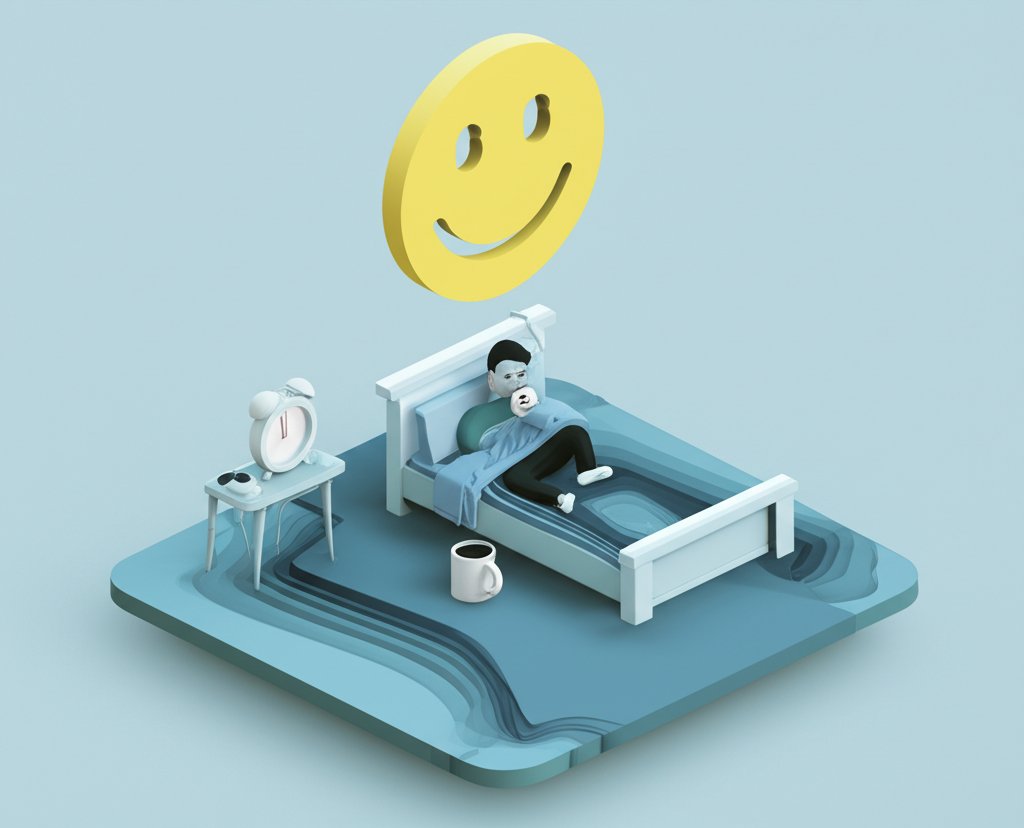
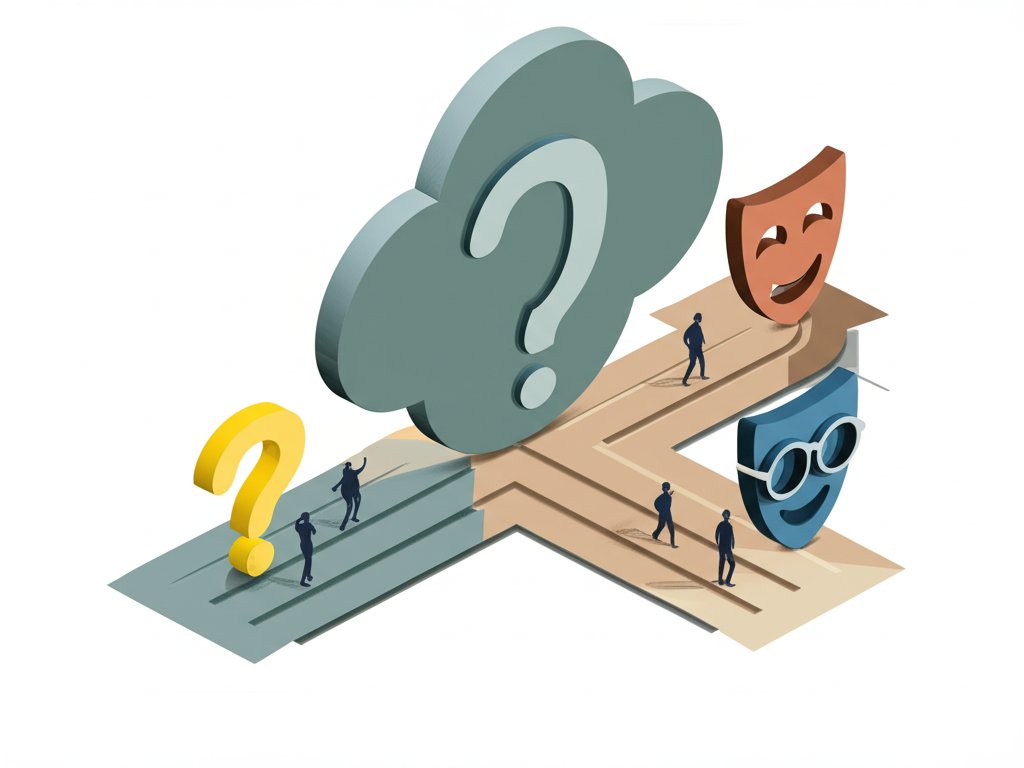
Not all sarcasm is created equal. Your brand of wit can be tailored to your personality and the situation. Understanding the core styles helps you craft a reply that feels authentic to you, moving beyond just generic comebacks. For a wider inventory of quips, you can explore a full list of Sarcastic good morning greetings, but mastering these archetypes gives you a framework for creating your own.
The Questioner: Challenging the Premise
The Questioner’s entire strategy revolves around poking holes in the assertion that the morning is, in fact, “good.” This style is intellectual, a bit deadpan, and perfect for those who enjoy playful debate. It’s less about your personal feelings and more about the objective absurdity of the statement.
- How it sounds: “What, specifically, is good about it?” or “Can you cite your sources on that?”
- Best for: Colleagues you have a good rapport with, friends who appreciate dry humor.
- Examples:
- “Is that a statement or a question?”
- “Define ‘good’.”
- “We’ll have to agree to disagree on that.”
The Realist: Grounding the Greeting in Reality
The Realist dismisses the cheerful fantasy of a “good morning” with a dose of cold, hard truth. This style is often tied to a physical reality—the need for coffee, the soul-crushing nature of work, or the simple science of sleep deprivation. It’s direct, blunt, and highly relatable.
- How it sounds: “It’s a morning. The ‘good’ part is pending a significant caffeine infusion.”
- Best for: Anyone who understands the universal struggles of adulting. This is a very safe and common form of good morning sarcasm.
- Examples:
- “I’ll tell you if it’s good in about two hours and three cups of coffee.”
- “My bank account balance says otherwise.”
- “The only thing good about this morning is the bagel I’m about to destroy.”
The Thespian: Embracing Melodramatic Misery
The Thespian treats the “good morning” greeting as a cue to begin a dramatic monologue. This style uses over-the-top, flowery, or formal language to create a hilarious contrast with the mundane reality of the morning. It’s performative, self-aware, and signals clearly that you’re not being serious.
- How it sounds: “Ah, the sun has risen to mock my exhaustion once more! How… good.”
- Best for: Creative environments, close friends, or situations where a bit of absurdity is welcome.
- Examples:
- “Welcome to the magical land of responsibilities and obligations known as a new day.”
- “Behold, another glorious dawn I was not emotionally or spiritually prepared for.”
- “The birds are singing, the sun is shining… what a terrible, terrible shame.”
Landing the Joke: How to Be Sarcastic, Not Sour
The difference between a funny remark and a hurtful one lies entirely in the delivery. Effective good morning sarcasm is a performance. Without the right non-verbal cues, your witty retort can easily be misinterpreted as genuine aggression or passive-aggression.
Master Your Tone of Voice
Your tone is the primary indicator of your intent. A flat, deadpan delivery works well for The Realist or The Questioner, implying a world-weary sigh. An overly enthusiastic, saccharine tone is perfect for The Thespian, dripping with ironic cheer. The one to avoid is a sharp, bitter, or aggressive tone, which cancels the humor and just leaves the sting.
- Scenario: A coworker chirps, “Good morning!”
- Deadpan Realist: A monotone, “It is, in fact, a morning,” followed by a long sip of coffee.
- Melodramatic Thespian: A booming, theatrical voice, “And what a GLORIOUS morning it is for spreadsheets and existential dread!”
The Body Language Back-Up Plan
Words are only half the battle. Your body language provides the context that screams, “I’m kidding!” A mismatch between your sarcastic words and your friendly demeanor is what makes the joke work.
- The Half-Smile: A slight, knowing smirk is the universal sign for “I don’t mean this literally.”
- The Gentle Eye-Roll: A classic for a reason. It playfully dismisses the excessive cheerfulness.
- The Wink: A more direct, conspiratorial signal that you and the other person are in on the joke together.
- The Shrug: A casual shrug can accompany a line like, “Well, it’s a morning,” conveying resigned acceptance rather than anger.
Know Your Audience: The Sarcasm Safety Check
Sarcasm is built on shared understanding. What’s hilarious to a close friend could be baffling or offensive to a new client. Before deploying a sarcastic reply, run a quick mental check based on your relationship with the person.
| Audience | Sarcasm Level & Style | Example |
|---|---|---|
| Close Friend / Sibling | High. Any style works. Thespian and Realist styles are particularly effective. | “My idea of a good morning involves sleeping past noon, so no.” |
| Trusted Colleague | Medium. The Realist style is your safest bet, especially coffee-related humor. | “Let’s re-evaluate the ‘good’ part after I’ve had this coffee.” |
| Your Boss / Senior Leader | Low to None. Thespian can work if it’s very formal and clearly a joke. Otherwise, avoid. | “Ah, the joyous occasion of the sun’s uprising is upon us.” |
| New Acquaintance / Client | None. Stick to a standard, polite reply. There’s no shared context for them to interpret your humor. | “Good morning to you, too!” |
Your Go-To Playbook for Sarcastic Morning Replies
Keep these categorized responses in your back pocket for when you need a quick, witty comeback.
For the Chronically Caffeinated
- “This is just a meeting I’m having with my coffee. We’ll let you know if the morning is ‘good’ later.”
- “My coffee and I haven’t had our talk yet. I’ll get back to you.”
- “I’m sorry, I don’t speak pre-caffeine. Could you repeat that in two hours?”
- “The only ‘good’ in my morning comes in a mug.”
For the Unapologetic Sleep Lover
- “I was having a perfectly good dream before my alarm clock committed a violent act.”
- “My bed and I were in a committed relationship. You interrupted.”
- “Does it look like a good morning?” (Gesture to your face.)
- “I’m powered by sleep and spite. The sleep tank is empty.”
For the 9-to-5 Survivor
- “Is it 5 p.m. yet? No? Then it’s not a good morning.”
- “Every morning is a painful reminder that my lottery ticket didn’t win.”
- “It’s a great morning to be one day closer to retirement.”
- “Good morning? My to-do list would beg to differ.”
Quick Answers to Common Sarcasm Questions
Q: What if my good morning sarcasm is taken literally?
A: Recover quickly and cheerfully. The moment you see a flicker of confusion or hurt, break character with a laugh and a clarification. Say something like, “Ha, just kidding! I’m not a morning person at all,” or “Totally joking, I need coffee to be a real human.” The goal is a shared chuckle, not an awkward encounter. A swift, friendly recovery reinforces that your intent was humor.
Q: Can I use good morning sarcasm in a text or over Slack?
A: Proceed with extreme caution. Written communication strips away the tone and body language that make sarcasm work. It’s safest with people who already know your sense of humor well. To be safe, add a winking 😉, laughing 😂, or upside-down smiley 🙃 emoji to signal your playful intent. For formal or professional chats, especially with superiors, it’s best to avoid it altogether.
Q: Is it ever okay for my sarcasm to be genuinely mean?
A: No. Witty good morning sarcasm is a form of humor and social commentary. It’s about poking fun at the ritual of forced morning cheerfulness. It should never be a cover for genuine anger, frustration, or personal attacks. If you’re actually upset, sarcasm will likely come across as hostile and passive-aggressive. Stick to wit, not weaponry.
Your First Sarcastic Morning: A 3-Step Plan
Ready to trade your mumbled “you too” for something with a bit more personality? Here’s how to get started tomorrow.
- Pick Your Persona for the Day. Are you feeling like a deadpan Realist or a dramatic Thespian? The Realist is often the easiest and safest starting point. Decide on your “character” before you even leave the house.
- Choose Your Line. Don’t try to improvise on your first try. Select a pre-canned response from the playbook above. A simple, coffee-related line like, “I’ll let you know if it’s a good morning after this kicks in,” is a perfect first attempt.
- Prep Your Delivery. As you pour your coffee or get settled at your desk, mentally rehearse the line. Pair it with a small, tired smile. When that first chipper “Good morning!” arrives, deploy your response calmly and confidently. The aim isn’t to be a downer, but to invite them into the joke—the shared, humorous reality of a less-than-perfect morning.

- Find the Perfect Have a Nice Day Picture for Daily Wishes - February 2, 2026
- Good Day Pics to Send Uplifting Greetings and Spread Joy - February 1, 2026
- Pictures of Have a Great Day to Brighten Someones Day - January 31, 2026