
Sending someone have nice day images pictures seems simple, but finding the right one can feel like a chore. You scroll through endless feeds of generic sunshine and clichéd quotes, looking for something that feels genuine—something that truly matches the person and the moment. It’s the difference between a message that gets a quick “like” and one that makes someone pause, smile, and feel seen.
This is where moving beyond a quick search becomes essential. The most impactful images aren’t just found; they’re chosen with intent. By understanding the different styles, sourcing them responsibly, and pairing them with a thoughtful message, you can turn a simple gesture into a meaningful connection.
At a Glance: Your Guide to Better “Nice Day” Images
- Source Smarter: Learn the key differences between free personal-use images, royalty-free stock photos, and what’s safe to share on social media versus in a private text.
- Match the Vibe: Discover the four primary styles of “nice day” pictures—Classic, Inspirational, Cute, and Modern—and know exactly when to use each one.
- Avoid Common Pitfalls: Understand the risks of using copyrighted images from a web search and why a generic image can sometimes feel worse than no image at all.
- Pair Words and Pictures: Get a simple framework for matching the right text to your chosen image, making your message feel authentic and personal.
- Create Your Own: Find actionable tips for making unique “have a nice day” pictures using simple tools, even if you’re not a designer.
Beyond the Smiley Face: The Anatomy of an Effective “Nice Day” Picture
A truly great “have a nice day” image does more than just state the phrase; it evokes a feeling. The most effective visuals rely on a few core psychological elements that work together to create a positive emotional response.
- Color Psychology: Bright, warm colors like yellow, orange, and light blue often trigger feelings of happiness, energy, and calm. A picture dominated by a vibrant sunflower or a clear blue sky instantly sets a positive tone. In contrast, soft pastels can convey a gentle, peaceful start to the day.
- Relatable Subject Matter: The most popular images feature universally positive subjects. A steaming mug of coffee represents a cozy, energizing ritual. A beautiful sunrise symbolizes new beginnings and potential. A playful puppy or kitten taps into feelings of joy and lightheartedness. These subjects are effective because they connect to shared, positive experiences.
- Clean Composition: The best images are uncluttered and have a clear focal point. Too much visual noise can be distracting and dilute the message. A simple, well-composed shot—like a single flower with morning dew or a minimalist typographic design—allows the sentiment to shine through without competition.
For example, a picture of a winding forest path with sunlight filtering through the trees doesn’t just say “have a nice day.” It suggests a journey, peace, and a sense of gentle progress, making it perfect for someone facing a busy or challenging day.
Where to Find Quality Images (and How to Use Them Legally)
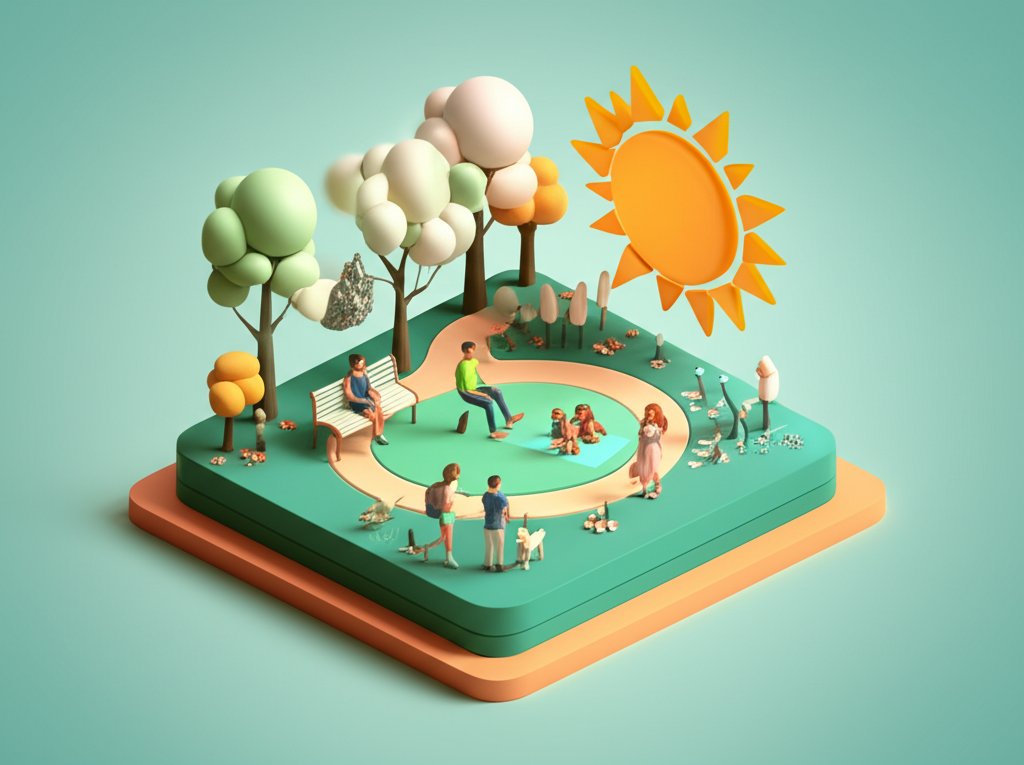
Grabbing the first image from a web search is tempting, but it’s often a recipe for poor quality or copyright infringement. Understanding your sources is crucial for sharing with confidence, whether it’s with a single friend or your entire social media following.
The Free-to-Use Route: Personal Sharing and Creative Projects
For personal, one-on-one communication, free resources are fantastic. Sites like Pexels, Unsplash, and dedicated clipart libraries offer vast collections of high-quality images.
The key is understanding the license. Most of these sites provide images that are free for “personal use.”
- Personal Use (Generally OK): Texting a picture to a friend, sending it in a family group chat, or using it as your phone background.
- Commercial Use (Check the License): Posting on a business social media account, using it in a marketing email, or placing it on a monetized blog. As the Clipart Library notes for its collection, commercial projects often require attribution or a backlink.
Case Snippet: Sarah runs a small online coaching business. She used to pull images from Google for her “Monday Motivation” Instagram posts. After learning about copyright, she switched to using Unsplash, carefully checking that each photo’s license allowed for commercial use. This protected her business legally and improved the quality of her content.
While we’re focused on the specifics of ‘nice day’ visuals here, understanding the broader categories of morning greetings is also key. Our complete guide to Have a Great Day Images covers the full spectrum of styles and messages.
The Professional Touch: Stock Photo Libraries
When you need unique, high-resolution images, especially for professional or commercial use, premium stock photo sites like Getty Images or Adobe Stock are the gold standard. These platforms offer images that aren’t overused and provide clear, legally sound licensing.
You’ll typically encounter two models:
- Royalty-Free: You pay a one-time fee to use the image multiple times across various projects without paying additional royalties. It’s like buying a tool you can use again and again.
- Rights-Managed: You license the image for a specific use, time period, and geographic location. This is more restrictive but often grants exclusivity. It’s like renting a specific tool for a single, important job.
For most business or brand purposes, a royalty-free license is the most practical and cost-effective option for have nice day images pictures.
Matching the Image Style to Your Message and Audience
Not all “nice day” images are created equal. The visual style you choose should align with your relationship to the recipient and the specific sentiment you want to convey. We can group most images into four essential styles.
| Image Style | Core Elements | Best For |
|---|---|---|
| 1. Classic & Cheerful | Bright colors, smiley faces, sunflowers, simple text graphics. | Group chats, general acquaintances, quick and easy check-ins. |
| 2. Inspirational & Scenic | Sunrises, mountains, ocean views, majestic landscapes. | Colleagues, motivating a friend, someone facing a challenge. |
| 3. Cute & Whimsical | Adorable animals (puppies, kittens), charming illustrations. | Close friends, family, partners, anyone who needs a smile. |
| 4. Modern & Minimalist | Clean typography, aesthetic flat lays (coffee, journals). | Professional contacts, social media posts (LinkedIn), friends with a minimalist taste. |
| Choosing the right style makes your message feel more personal and intentional. Sending a cute, cartoonish kitten to your boss might miss the mark, whereas an elegant, scenic sunrise would be perfectly appropriate. |
A Practical Guide to Pairing Images with the Perfect Words

The image sets the mood, but the words deliver the message. A great pairing can elevate a simple greeting into a memorable moment of connection.
Step 1: Define Your Intent
Before you even start searching for a picture, ask yourself: What feeling am I trying to create?
- Motivation: “You’ve got this.”
- Affection: “I’m thinking of you.”
- Humor: “Let’s survive today.”
- Support: “I’m here for you.”
Your intent is your North Star.
Step 2: Select Your Image Style
Based on your intent, choose one of the four styles. If your goal is humor, a cute or whimsical image is a natural fit. If you’re offering support, an inspirational or scenic picture might be more appropriate.
Step 3: Craft Your Message
Now, write a short message that complements the image. Goodwishes.com offers excellent examples of how to tailor messages for different contexts.
- For an Inspirational Image sent to a colleague: Pair a photo of a mountain peak with, “Your mindset today shapes your tomorrow. Choose optimism.”
- For a Modern/Minimalist Image sent to your partner: Accompany a picture of two coffee cups with, “Every thought I have circles back to you. Have a beautiful day, my love.”
- For a Cute/Whimsical Image sent to a friend: Send a picture of a sleepy kitten alongside, “Today’s mission: fake being awake convincingly. You’ve totally got this!”
Step 4: Consider the Platform
Where you share the image matters. A bright, emoji-filled image is perfect for an Instagram Story or a text message. For a more professional platform like LinkedIn, a minimalist design with an empowering quote is far more effective.
Quick Answers to Common Questions
Q: Can I just grab a ‘have a nice day’ picture from a Google Image search?
A: It’s highly discouraged. Most images you find in a search are protected by copyright. Using them, especially for anything public like a social media post, can lead to legal issues. Always use images from reputable stock photo sites or free-use libraries with clear licensing terms.
Q: What’s the real difference between “have a nice day” and “have a great day” images?
A: While often used interchangeably, there’s a subtle difference in tone. “Have a nice day” tends to feel gentler, calmer, and more casual. Its corresponding images often feature soft light, cozy scenes, or sweet illustrations. “Have a great day” feels more energetic and aspirational. The visuals are often bolder, featuring epic landscapes, vibrant colors, and motivational themes.
Q: How can I make my own unique images without being a designer?
A: Tools like Canva, Adobe Express, and even Instagram’s story editor make it incredibly easy. Start with one of your own photos—your morning coffee, a flower in your garden, the view from your window—and simply add a text overlay with a warm message. This is often more personal and meaningful than any stock photo.
Q: Is it okay to send the same image to multiple people?
A: For a broadcast message to a large group, it’s fine. But for individual connections, personalization is key. Taking an extra 30 seconds to find an image that reflects the person’s interests (e.g., a picture of a beautiful library for a book-loving friend) shows you put thought into it, which deepens the impact of your message.
Your Next Step: From Searching to Sharing
The best have nice day images pictures are born from intention, not just a quick search. By thinking about the person, the feeling you want to create, and the right combination of visuals and words, you can transform a daily routine into a powerful act of connection.
Use this quick checklist the next time you want to share some cheer:
- Who is this for? (A friend, a colleague, a family member?)
- What is my goal? (To motivate, to make them smile, to show I care?)
- Choose a style: (Inspirational, Cute, Classic, or Modern?)
- Find a source: (A personal photo, a free-use site, or a stock library?)
- Add a personal touch: (A short, specific message that connects to them.)
With a little thought, your simple morning message can easily become a genuine highlight of someone’s day.

- Find the Perfect Have a Nice Day Picture for Daily Wishes - February 2, 2026
- Good Day Pics to Send Uplifting Greetings and Spread Joy - February 1, 2026
- Pictures of Have a Great Day to Brighten Someones Day - January 31, 2026